
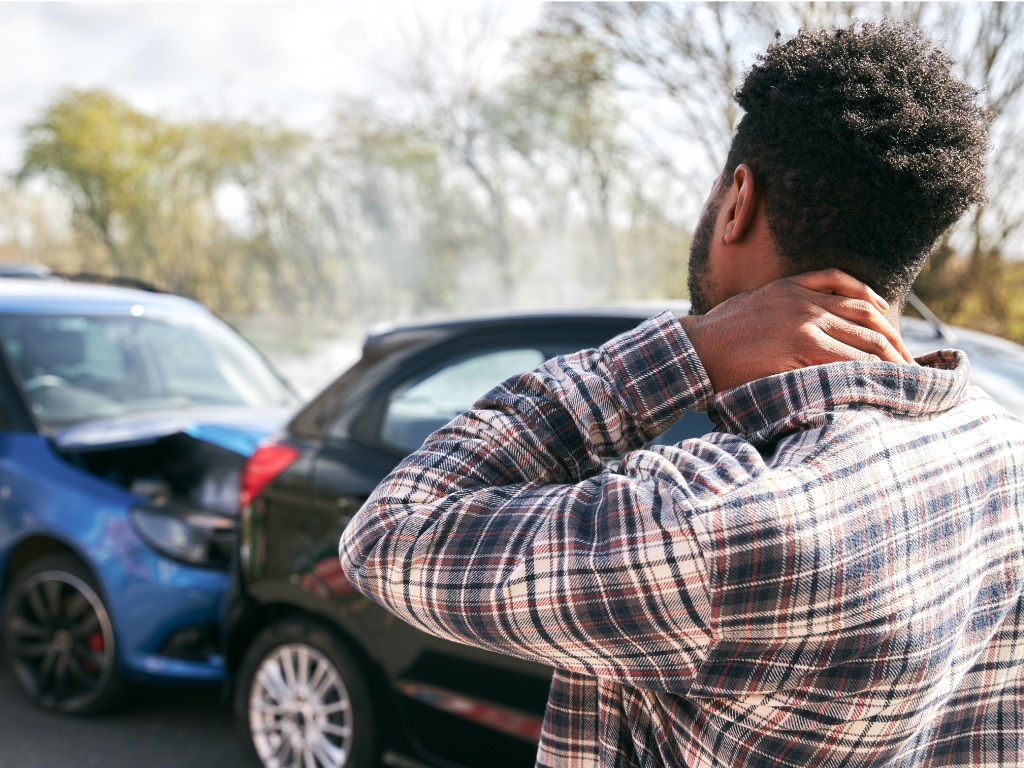
Knowing what to do after a car accident in Florida can drastically impact your ability to recover medical expenses and lost wages. The most crucial actions within the first 24 hours are: securing a police report, documenting scene evidence, avoiding recorded statements to insurance adjusters, and obtaining professional medical evaluation within 14 days to comply with Florida’s Personal Injury Protection (PIP) statute.
5 Critical Steps: What to Do After Car Accident Incidents at the Scene
The moments directly following a crash are overwhelming, but taking swift, deliberate action preserves critical evidence.
1. Ensure Safety and Call 911
Check yourself and passengers for injuries. Move your vehicle to a safe location if possible, turn on hazard lights, and call 911 immediately. Request both law enforcement and emergency medical responders.
2. Report the Collision to Law Enforcement
Ensure the responding officer files an official police report. When explaining what happened, stick strictly to the facts. Do not guess, speculate, or admit fault.
3. Document the Scene and Gather Evidence
Use your mobile phone to take photos and videos of:
- Overall scene context, weather conditions, traffic signs, and road hazards.
- Physical damage to all involved vehicles.
- Visible bodily injuries.
- Skid marks, broken glass, and vehicle debris.
- License plates, driver credentials, and insurance cards.
4. Exchange Information (Without Discussing Liability)
Obtain names, contact numbers, driver’s license numbers, and insurance policy details from all involved drivers. Collect contact information from any eyewitnesses before they leave the scene.
5. Be Mindful of What You Say
Avoid apologizing or saying phrases like “I’m fine” or “I didn’t see you.” Statements made at the crash site can be used against you by insurance adjusters later to deny your claim.
What to Do After Car Accident Scene Departure: The 14-Day Medical Rule
Understanding what to do after car accident scene clearance requires strict attention to Florida’s legal deadlines.
[Crash Occurs] ──► [Call 911 & File Report] ──► [Medical Exam within 14 Days (PIP Rule)] ──► [Consult RCT Law Before Adjuster Statement]
Under Florida Statute § 627.736, you must seek initial medical treatment within 14 days of the crash. If you miss this statutory window, your insurance carrier can legally deny your $10,000 Personal Injury Protection (PIP) benefits entirely, forcing you to pay emergency room and doctor bills out-of-pocket.
Even if your symptoms seem minor—such as mild neck stiffness or headaches—delayed-onset injuries like whiplash, internal bleeding, and concussions often manifest days after impact.

Checklist: What to Do After Car Accident Damage Reporting
Navigating insurance companies requires extreme caution. Follow this protocol when dealing with claims adjusters:
| Action Step | Recommended Approach | Why It Matters |
| Notify Your Carrier | Promptly report that a crash occurred. | Required by standard policy contract terms. |
Recorded Statements | Decline until consulting an attorney. | Adjusters often frame questions to trick you into admitting partial fault. |
Initial Settlement Offers | Never accept early fast-cash offers. | Quick settlements require signing liability waivers before your full medical costs are known. |
Medical Releases | Do not sign broad medical record releases. | Insurers search past records to claim your injuries were “pre-existing conditions.” |
When Does a Florida Car Accident Exceed PIP Limits?
Florida operates as a no-fault insurance state, meaning your own PIP coverage pays up to $10,000 for initial medical costs and lost wages regardless of fault. However, severe crashes easily surpass this limit within hours.
If your injuries meet Florida’s “serious injury threshold” (permanent loss of bodily function, permanent injury, severe scarring, or wrongful death), you can step outside the no-fault system and file a bodily injury claim or lawsuit against the at-fault driver to recover:
- Future medical treatment, surgeries, and specialized therapy.
- Full lost wages and reduced future earning capacity.
- Pain, suffering, and emotional distress.
Frequently Asked Questions (FAQ)
What to do after car accident situations where the other driver has no insurance?
Florida does not require drivers to carry bodily injury liability coverage by default. If an uninsured driver hits you, an experienced personal injury attorney can help you file a claim under your own Uninsured/Underinsured Motorist (UM) coverage or explore alternative liability options.
What to do after car accident occurrences if I was partially at fault?
Florida follows a modified comparative fault standard. You can still recover compensation as long as you are found 50% or less at fault for the crash. However, your financial recovery will be reduced by your percentage of responsibility.
How soon should I contact an attorney after a vehicle collision?
You should consult a personal injury attorney within the first 24 to 48 hours. Early legal representation ensures vital evidence—such as surveillance footage, crash data, and witness testimony—is preserved before it is lost or overwritten.
Still Unsure What to Do After Car Accident Collisions in South Florida?
Don’t let aggressive insurance adjusters push you into settling for less than your claim is worth. The team at Reinfeld Cabrera Tison (RCT Law) helps injured victims navigate medical care, insurance paperwork, and legal claims step-by-step.
Contact RCT Law today for a free, zero-obligation case review to discuss what to do after car accident injuries affect your life.