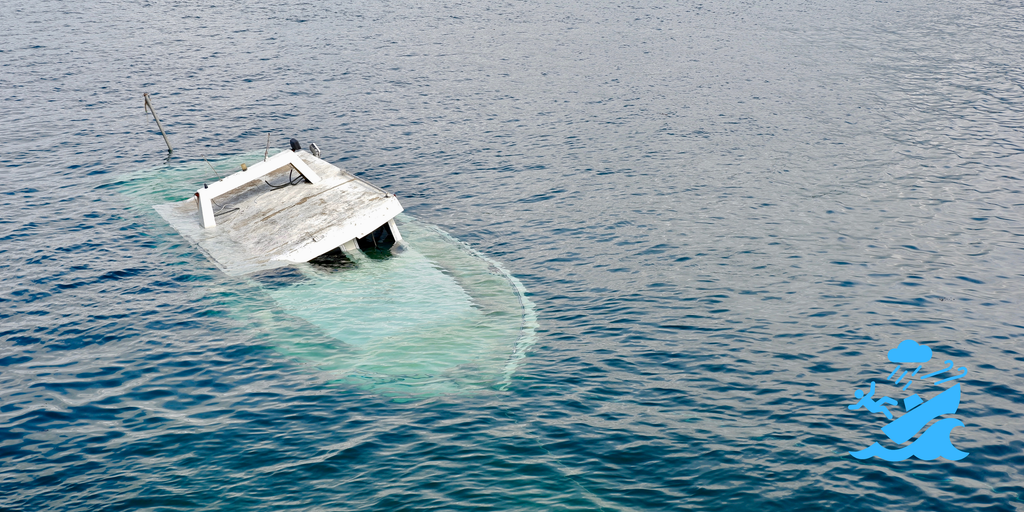
Boating on Broward County waterway; from the Intracoastal Waterway to Everglades access canals, comes with serious risks when operators act negligently. If you or a loved one suffered injuries in a watercraft collision, Reinfeld Cabrera Tison provides aggressive, experienced legal representation across Coral Springs, Fort Lauderdale, and South Florida.
Legal Definition: Under Florida Statute § 327.30, a boating accident is defined as any collision, capsizing, grounding, flooding, fire, fall overboard, or watercraft casualty occurring on Florida waters that results in personal injury, loss of life, or property damage involving a motorboat, personal watercraft (PWC), or non-motorized vessel.
| Key Metric / Requirement | Legal Standard in Florida |
| Legal Definition | Any vessel collision, grounding, or casualty causing injury, death, or property damage (F.S. § 327.30) |
| Primary Governing Statutes | Florida Statutes Chapter 327 (Vessel Safety) & Chapter 328 (Registration/Titling) |
| Statute of Limitations | 2 Years from the date of the incident (F.S. § 95.11) |
| Mandatory Reporting Threshold | Required report to FWC/BSO if damage exceeds $2,000, or involves injury/death (F.S. § 327.30) |
| Key Jurisdictions | Florida State Court (Broward County 17th Judicial Circuit) or Federal District Court (Admiralty) |
When Does Maritime Law Apply vs. Florida State Law?
Determining proper jurisdiction is critical to protecting your right to full compensation. Waterways in South Florida are governed by overlapping federal, state, and local maritime authorities:
- Florida State Law (Inland Waterways): Applies to collisions occurring on state regulated lakes, rivers, Everglades canals, and landlocked bodies of water in Coral Springs. Claims are handled under Florida negligence standards and Chapter 327 safety statutes.
- Federal Maritime & Admiralty Law (Navigable Waters): Applies to accidents occurring in ocean waters (beyond three nautical miles offshore), coastal inlets, or commercial shipping lanes. Federal maritime law governs unique rules regarding vessel owner liability, seaworthiness, and salvage claims.
Watercraft Accidents We Handle in Broward County
Different vessels carry distinct operating standards, passenger safety obligations, and insurance coverage structures:
- Personal Watercraft (PWC / Jet Skis): Governed by strict Florida Fish and Wildlife Conservation Commission (FWC) age and operating constraints. PWC incidents frequently involve wake-jumping collisions and rental operator negligence.
- Recreational Powerboats & Yachts: Often involve operator inattention, excessive speed, or Boating Under the Influence (BUI) pursuant to Florida Statute § 327.35.
- Cruise Ships & Excursions: Subject to forum-selection clauses on passenger tickets, strict federal notice deadlines (often requiring written notice within 180 days), and maritime tort law.
- Diving & Watersports Collisions: Involves failure to maintain proper lookout near diver-down flags or negligent towing practices during waterskiing and wakeboarding.
What to Do Immediately After a Boating Accident in Florida
- Render Aid & Report the Incident: Florida Statute § 327.30 requires vessel operators to remain at the scene, render assistance, and report the crash to local police, the Broward Sheriff’s Office (BSO), or the FWC.
- Document the Scene & GPS Coordinates: Take photographs of vessel damage, safety equipment conditions, weather patterns, and exact GPS coordinates or channel markers.
- Seek Medical Attention Promptly: Marine injuries; including propeller lacerations, near-drowning oxygen deprivation, and traumatic head injuries, require immediate medical evaluation to establish causation.
- Consult a Board-Eligible Personal Injury Attorney: Contact our office before making recorded statements to marine insurance adjusters.
Real-World Case Examples & Strategic Legal Responses
1. High-Speed Tender Collisions & Corporate Negligence
When a 221-foot superyacht tender crashed at nearly 50 mph in Niznik & Holubova v. Clarke, injured crew members faced complex multi-tiered corporate structures and international maritime employment contracts.
Handling high-value marine claims requires immediate subpoenas for black-box GPS telemetry, engine logs, and vessel maintenance records before corporate legal teams can conceal critical liability evidence.
2. Defeating Federal Liability Limits (Limitation of Liability Act)
In fatal or high-damage collisions like In re Complaint of Reinaldo Aquit, vessel owners frequently turn to the Limitation of Liability Act of 1851—a federal statute used to freeze state civil suits and limit financial payouts to the post-accident scrap value of the vessel.
Overcoming these petitions requires dedicated federal admiralty litigation to prove the owner had prior “privity or knowledge” of vessel defects or improper crew training.
3. Challenging Jet Ski & Watercraft Excursion Waivers
Novice riders in guided tour accidents: such as the severe spinal injury claim in Jessica Haro v. Royal Caribbean, often assume fine-print liability waivers bar recovery.
However, maritime tort law allows skilled trial attorneys to invalidate unconscionable liability releases, overcome strict 180-day contract deadlines, and hold commercial outfitters accountable for negligent instruction or equipment failure.
4. Securing Civil Recovery in Boating Under the Influence (BUI) Cases
Tragedies resulting from extreme speed and alcohol impairment, such as the Biscayne Bay crash that spurred Florida’s Lucy’s Law, involve intersecting civil and criminal proceedings.
Maximizing civil compensation for victims requires parallel coordination with state prosecutors to secure FWC crash reconstruction data, BSO toxicological findings, and law enforcement files before spoliation occurs.
Frequently Asked Questions
What damages can I recover after a South Florida boating collision?
Injured victims may recover economic and non-economic compensation, including past and future medical bills, lost wages, diminished earning capacity, physical pain and suffering, and property repair costs.
Can I hold a boat operator liable if they were driving drunk?
Yes. Operating a vessel with a Blood Alcohol Content (BAC) of 0.08% or higher violates Florida Statute § 327.35. Evidence of a BUI conviction significantly strengthens a civil negligence claim and may entitle victims to punitive damages.
Who is liable if a rented Jet Ski causes an accident?
Liability may extend beyond the operator to the watercraft rental company if they rented to an underage individual, failed to provide mandatory safety instruction, or rented an unseaworthy or improperly maintained vessel.
Protect Your Legal Rights: Contact Reinfeld Cabrera Tison
Our trial attorneys manage your claim from initial investigation through settlement negotiations or court trial. We operate on a contingency fee basis, meaning you pay no attorney fees unless we secure financial recovery for you.
Free 24/7 Consultation:
Call 954-866-HURT (954-866-4878) or visit our offices in Coral Springs and Fort Lauderdale to speak directly with an attorney.