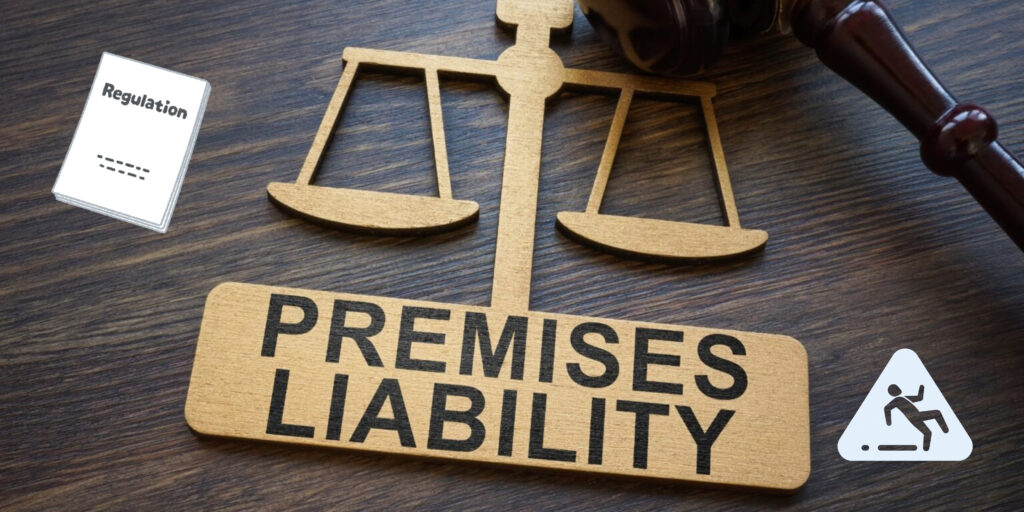
- Under Florida Statute § 768.0755, property owners and business operators in Coral Springs owe a legal duty to maintain safe premises for invitees. If you suffer an injury due to a foreign substance, structural defect, or negligent security, you must prove the property owner had actual or constructive knowledge of the hazard. Under Florida’s 51% modified comparative fault rule, claims must be filed within two years of the incident.
Strategic Evidence Preservation & Forensic Investigation in Coral Springs
Establishing landowner liability under Florida premises law requires prompt, technical action before critical evidence is destroyed or altered. Reinfeld Cabrera Tison deploys a rapid investigative protocol designed to secure crucial case elements:
- Commercial Evidence Preservation: The rapid issuance of spoliation letters compels the retention of commercial store CCTV footage along with digital access logs. This action also secures critical maintenance records and employee shift rosters.
- Building Code & Safety Audits: Comprehensive physical inspections evaluate property compliance against Florida Building Code standards and local Coral Springs municipal codes. Our team also reviews OSHA requirements to document structural defects or lighting deficiencies.
- Constructive Notice Data Collection: Subpoenaing municipal dispatch logs and police incident reports proves the property owner had prior knowledge of recurring hazards. Reviewing past civil claims further strengthens this timeline.
- Eyewitness & On Scene Causation Mapping: Conducting immediate recorded interviews with store employees and neutral bystanders locks in contemporaneous testimony. This process documents the physical condition of the site alongside the property owner’s initial response.
Establishing Legal Liability Under Florida Premises Law
Securing full financial recovery in a South Florida property injury case requires satisfying precise statutory elements. Liability hinges on your legal classification at the time of the incident and whether the property owner breached the specific duty of care owed under Florida law.
- Business Invitees: Customers and retail shoppers are classified as invitees. Property owners owe them an affirmative duty to maintain premises in a reasonably safe condition while conducting regular safety inspections to address known hazards.
- Licensees: Individuals entering a residential property for social reasons are owed a duty to maintain safe conditions and receive warnings regarding hidden dangers. Property owners do not face the same mandatory inspection requirements that apply to commercial businesses.
- Proof of Duty Breach: Establishing liability requires concrete evidence showing the property manager failed to exercise reasonable care. This is demonstrated through improper structural maintenance or ignored safety risks.
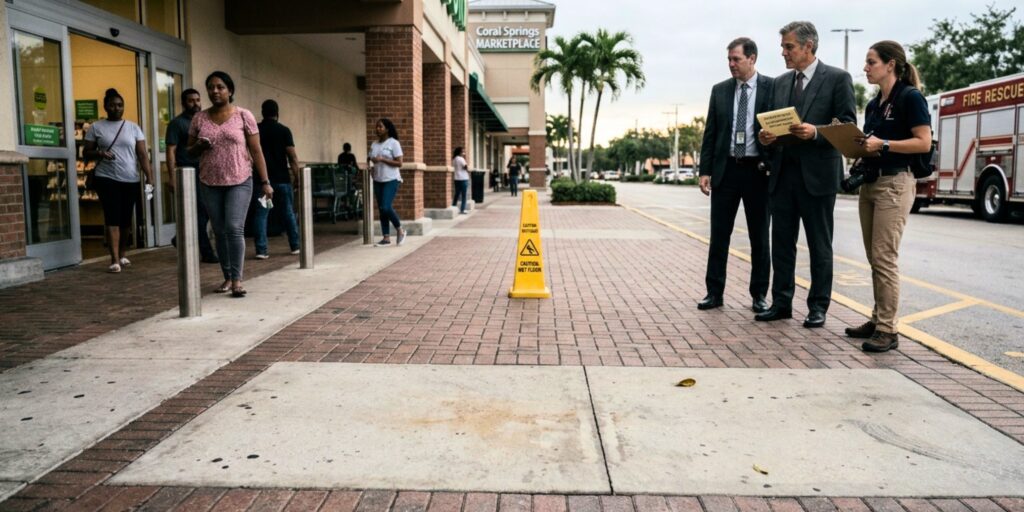
Your legal rights and the owner’s duty of care depend on your visitor classification at the time of the incident:
| Visitor Category | Definition | Duty of Care Owed Under Florida Law |
| Business Invitee | Customers, retail shoppers, or patrons entering for business purposes (e.g., supermarket or mall visitors). | Highest duty: Must maintain property in a reasonably safe condition, repair hazards, and conduct regular safety inspections. |
| Licensee | Social guests, friends, or neighbors invited onto residential or private property. | Medium duty: Must maintain safe conditions and warn of known, hidden dangers; active inspection sweeps are not mandatory. |
| Trespasser | Individuals entering property without lawful invitation or consent. | Lowest duty: Must refrain from willful or wanton harm (F.S. § 768.075); no duty to warn of standard hazards. |
How RCT Proves Actual vs Constructive Knowledge Under Florida Statute § 768.0755
Under Florida Statute § 768.0755, establishing property owner negligence hinges on proving the defendant possessed actual or constructive knowledge of the dangerous condition. Reinfeld Cabrera Tison applies specific investigative methods to meet this statutory burden:
- Establishing Constructive Knowledge: Our attorneys gather circumstantial evidence such as digital surveillance logs or physical material wear. This technical proof demonstrates that the hazard existed long enough for routine property maintenance to discover it.
- Proving Foreseeable Recurring Hazards: Our team analyzes internal incident logs to demonstrate that a dangerous condition occurred regularly. Showing this pattern proves the business owner should have anticipated the risk and implemented corrective measures.
- Demonstrating Negligent Security Standards: We evaluate physical security parameters alongside historical regional crime data to prove a violent third party attack was foreseeable. Comparing these factors against broken perimeter access points demonstrates that the incident was preventable.
- Securing Adverse Evidentiary Presumptions via Spoliation: Filing formal preservation demands immediately creates a legal duty for property managers to retain perishable surveillance footage. Failure to preserve sweep records allows our trial team to seek adverse inference jury instructions, which shifts the evidentiary burden back onto the defense.
Strategic Evidence Preservation & Forensic Investigation in Coral Springs
Reinfeld Cabrera Tison deploys a rapid investigative protocol to secure crucial case elements before evidence is altered or overwritten:
- Spoliation Demand Letters: Issuing immediate formal notices compelling commercial property managers to preserve digital CCTV video, maintenance logs, sweep sheets, and employee shift rosters.
- Building Code & Safety Audits: Conducting physical site inspections evaluating compliance with the Florida Building Code and local Coral Springs municipal codes regarding walkways, stair treads, handrails, and foot-candle lighting levels.
- Constructive Notice Data Collection: Subpoenaing municipal dispatch logs, police incident reports, and prior civil suit records to establish recurring property hazards or ongoing security failures.
- Eyewitness & Causation Mapping: Conducting contemporaneous recorded interviews with staff and third-party witnesses to lock in testimony regarding the immediate aftermath of the incident.
Partner Led Litigation Strategy for High Stakes Property Claims
Every premises liability claim at Reinfeld Cabrera Tison is directly managed by founding trial partners. We structure each case from inception using expert witness disclosures and engineering evaluations. This preparation positions your claim effectively for direct negotiation or full court presentation.
Frequently Asked Questions
What should I do immediately after a slip and fall at a store in Coral Springs?
Report the incident to management, request a copy of the written incident report, take clear photos of the hazard, seek immediate medical evaluation (preferably within 14 days), and contact a personal injury attorney before speaking with the property’s insurance adjuster.
How long do I have to file a premises liability lawsuit in Florida?
Under Florida Statute § 95.11, the statute of limitations for negligence claims in Florida is two years from the date of the incident. Missing this legal deadline forfeits your right to compensation.
Can I recover damages if I fell in an apartment complex parking lot due to poor lighting?
Yes. Apartment complex owners in Broward County have a statutory duty to maintain common areas, including adequate outdoor lighting and level pavement. Inadequate lighting that contributes to a trip-and-fall or a third-party criminal attack falls under property negligence and negligent security law.
Get a Direct Consultation with Our Coral Springs Trial Team
If you suffered a severe injury due to hazardous property conditions in South Florida, establish your legal rights right away.
Contact the Coral Springs trial team at Reinfeld Cabrera Tison at 954-866-HURT (4878) for a direct legal assessment.