
After an accident, one question tends to come up quickly: Do I have a case, and how much could I get?
A personal injury consultation is a chance to start answering both. A lawyer can review what happened, identify potential legal claims, and explain what kinds of compensation might be available under Florida law. They can also point out problems that could affect the outcome.
But there is a difference between recognizing a potentially valuable claim and putting a reliable dollar figure on it. An attorney who has only heard a brief account of an accident may not know whether the injured person will recover fully, whether another party will dispute responsibility, or how much insurance coverage is available.
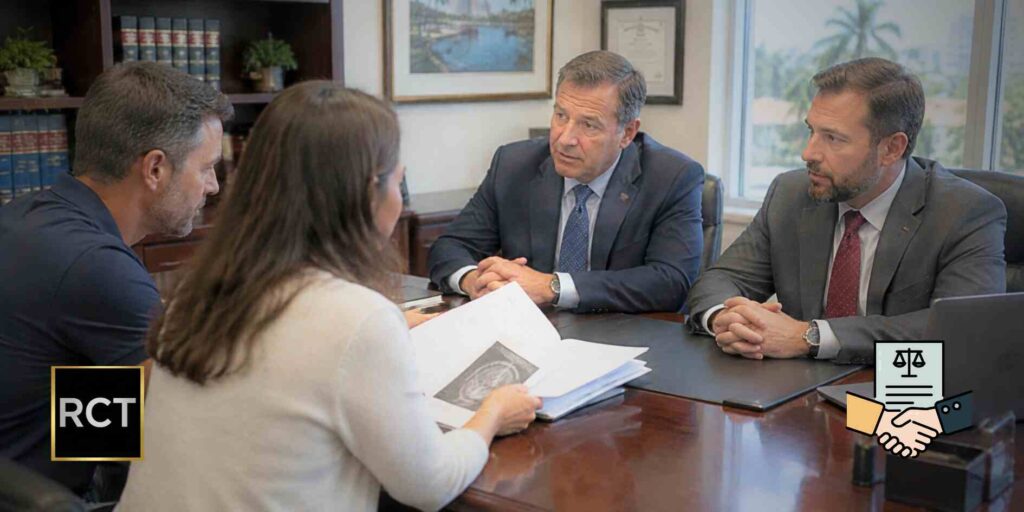
That does not make the first meeting any less useful. A good consultation should leave you with a clearer picture of where you stand and what needs to happen next. If you are considering speaking with a personal injury lawyer in Coral Springs or elsewhere in Broward County, here is what you can reasonably expect to find out.
What Can You Find Out During a Personal Injury Consultation?
The first meeting usually begins with the facts. The lawyer needs to understand how the accident happened, what injuries followed, and what has happened since. From there, the attorney can begin assessing whether Florida law provides a basis for a claim.
Whether You May Have a Valid Personal Injury Claim
An accident does not automatically create a right to compensation. In a typical negligence case, the injured person must establish that someone owed them a legal duty, failed to meet that duty, and caused an injury as a result. There must also be legally recognizable damages.
Consider a slip and fall at a Coral Springs grocery store. A customer might have suffered a serious injury after stepping onto a wet floor. That alone does not establish that the store is legally responsible. The attorney will want to know where the spill occurred, whether employees knew about it, and whether the business had a reasonable opportunity to address the hazard.
The same distinction applies after a traffic collision. A damaged vehicle and an emergency room visit do not, by themselves, establish who caused the crash. The lawyer may need to examine the police report, photographs, witness accounts, and other available evidence.
During the consultation, an attorney can identify a possible legal claim and explain what evidence would support it. That is different from guaranteeing that the claim will succeed. Sometimes the most useful answer is that an important fact still needs to be verified.
Whether You Could Share Responsibility for the Accident
You should also expect the lawyer to ask questions about your own actions. That is not necessarily an attempt to blame you. Your conduct may affect how much compensation you can recover.
Florida follows a modified comparative negligence system under Florida Statutes § 768.81. In most negligence cases covered by the statute, an injured person’s damages are reduced according to their percentage of responsibility. If the person is found to be more than 50% at fault, they generally cannot recover damages. Medical negligence claims are excluded from that particular threshold.
For example, imagine a jury awards $100,000 in damages but finds that the injured person was 20% responsible for the accident. The award would generally be reduced by $20,000, leaving $80,000 before other applicable adjustments.
That is why you should tell the attorney about facts that might seem unfavorable. Perhaps you were speeding before another driver struck your vehicle. Maybe you were looking at your phone when you slipped. Those details may matter when the other side evaluates responsibility.
A lawyer cannot assess the strength of your claim accurately if you leave out the parts of the story you would rather not discuss.
What Types of Compensation Might Be Available?
An attorney can also explain which categories of damages may apply to your situation. Florida personal injury claims can involve both financial losses and the consequences an injury has on someone’s daily life.
Depending on the evidence, recoverable damages may include:
- Past medical expenses and reasonably supported future medical costs.
- Income lost because the injury prevented you from working.
- Reduced future earning capacity.
- Pain and suffering.
- Physical impairment or disability.
- Disfigurement.
- Mental anguish and loss of capacity to enjoy life.
These categories appear in Florida’s personal injury damages framework. The state’s Standard Jury Instruction 501.2 explains how juries may consider the evidence when determining damages.
The attorney will want to understand how the injury affects you beyond the initial diagnosis. Can you still perform your job? Do you need help with ordinary activities? Has a doctor identified a lasting limitation? Those details can matter when evaluating the consequences of an accident.
You should not expect the lawyer to assign a final dollar amount to every category during the first meeting. The available medical records may be incomplete, and the long-term effects of an injury may not yet be clear.
Can a Personal Injury Lawyer Tell You What Your Case Is Worth?
Sometimes an attorney can offer an early estimate. In other situations, there simply is not enough information to do so responsibly.
A lawyer might recognize that a claim has substantial potential because the injuries are serious and the available evidence strongly supports liability. Even then, the attorney may need additional information before estimating a realistic settlement range.
The stage of medical treatment matters. If you are still receiving care, doctors may not yet know whether you will recover fully or need further treatment. The financial consequences may also change if you cannot return to your previous job.
Liability can remain uncertain as well. A driver might deny responsibility, a business might dispute how long a dangerous condition existed, or an insurer might argue that something other than the accident caused the injury.
An attorney should explain those uncertainties rather than invent a precise number to make the case sound attractive.
Why Medical Bills Do Not Automatically Determine Case Value
Adding up medical bills is not a reliable way to calculate a personal injury claim. Florida law has specific rules governing the evidence used to establish medical expenses.
Under Florida Statutes § 768.0427, the amounts that may be presented as evidence can depend on whether medical expenses have been paid, whether they remain unpaid, and what health coverage is available. The statute also addresses future medical expenses and treatment provided under letters of protection.
In practical terms, the total printed on a hospital statement is not automatically the amount a person can recover as medical damages. The attorney needs to understand what was actually paid and what remains outstanding. Future treatment must also have appropriate support.
This is one reason a lawyer may ask for medical records and insurance information before discussing a meaningful estimate. The figures need context.
Why Available Insurance Coverage Matters
The severity of an injury does not necessarily determine how much money can be collected. A claim might support substantial damages while the responsible party has limited insurance coverage or few personal assets.
An attorney may need to investigate several possible sources of recovery. These could include an at-fault driver’s liability policy, a business’s commercial coverage, an umbrella policy, or uninsured and underinsured motorist coverage.
Florida law gives claimants a way to request important liability insurance information. Under Florida Statutes § 627.4137, an insurer that may provide liability coverage generally must respond to a written request within 30 days with specified information. This can include the insurer’s identity, the insured parties, applicable policy limits, and known coverage defenses.
A lawyer may not know the available limits during the first conversation. The attorney can, however, explain how coverage will be investigated and why it matters to the potential recovery.
How Much of a Settlement Could You Actually Keep?
This is a question worth asking before signing a representation agreement.
A settlement figure is the total amount paid to resolve a claim. It is not necessarily the amount the injured person receives after the case concludes. Attorney fees may apply. Case expenses may also be deducted, and certain medical reimbursement obligations may need to be resolved.
Imagine that an insurer offers $100,000 to settle a claim. The client should not assume that the entire amount will arrive in their bank account. The final distribution depends on the fee agreement and the obligations associated with that particular case.
Attorney Fees and Case Expenses
Many personal injury lawyers represent clients under contingency fee agreements. The attorney receives an agreed percentage of a recovery rather than charging the client an hourly fee for the work.
Florida’s Rule 4-1.5 of the Rules Regulating The Florida Bar governs these arrangements. The agreement must be in writing and signed. It must explain how the fee will be calculated and whether case expenses will be deducted before or after the attorney calculates the percentage.
The rule also establishes fee standards for certain personal injury contingency arrangements. The applicable percentage can depend on the stage of the case and other circumstances. The schedule is not a statement that every lawyer charges the maximum permitted amount. Fee arrangements should be discussed and documented before representation begins.
Ask what happens if the case does not result in a recovery. You should also ask which expenses you might be responsible for and how those expenses are handled.
There is another consumer protection worth knowing about. Under the Florida Bar’s contingency fee rules, a client generally has three business days after signing a covered agreement to cancel it by written notice without owing attorney fees for work performed during that period. Reasonably advanced costs may still be owed. The agreement must also include the required Statement of Client’s Rights for Contingency Fees.
Medical Reimbursement Claims and Other Deductions
Medical treatment may create financial obligations that remain relevant when a personal injury claim settles.
For example, Medicare may make conditional payments when it covers treatment that another insurer is expected to pay for. If the injured person later receives a settlement or judgment, Medicare may seek reimbursement under federal rules. The Centers for Medicare & Medicaid Services explains how its recovery process works.
Florida Medicaid also has statutory recovery rights involving third-party payments. Those rights are addressed in Florida Statutes § 409.910.
Workplace injuries can introduce another issue. If an employee receives workers’ compensation benefits and also pursues a claim against a negligent third party, reimbursement rights may arise under Florida Statutes § 440.39.
Not every medical bill creates a lien, and not every insurer has the same reimbursement rights. The details depend on the source of payment and the applicable law. A lawyer should explain which obligations may affect your recovery rather than treating every outstanding balance as identical.
What Should You Bring to a Personal Injury Consultation?
You do not need a perfectly organized case file before speaking with an attorney. Bring what you have. The lawyer can identify missing documents and explain how to obtain them.
Useful materials may include:
- The date, time, and location of the accident.
- Photographs or videos of the scene and your injuries.
- A police report or business incident report, if available.
- Names and contact information for witnesses.
- Medical records, discharge instructions, and bills.
- Information about missed work or lost income.
- Insurance policy details and claim numbers.
- Letters, emails, or messages from insurance companies.
A simple written timeline can also help. Note when the accident happened, when you first sought treatment, and what important events followed. If an insurer has already contacted you, mention that conversation.
Do not postpone the consultation because you are missing a police report or a complete set of medical records. The purpose of the meeting is partly to determine what information is needed.
Be candid about your medical history, too. If you had a previous injury to the same body part, tell the attorney. If you missed appointments or made a statement to an insurer that might be used against you, explain what happened. The lawyer needs to know about potential problems before the opposing side raises them.
Questions to Ask Before Hiring a Personal Injury Lawyer
The consultation should give you an opportunity to evaluate the attorney as well. You are deciding whether to trust this person with an important legal matter, so ask questions that produce useful answers.
Consider asking:
- What legal claims might apply to my situation?
- What are the strongest and weakest parts of my case?
- What evidence would make the biggest difference?
- Could I be considered partly responsible under Florida law?
- What insurance coverage should be investigated?
- Is it too early to estimate the potential value of my claim?
- What information would you need before giving me a more reliable estimate?
- How are attorney fees and case expenses calculated?
- What happens if the case does not result in a recovery?
- Who will handle my case and communicate with me?
One question deserves particular attention:
If we recover money, what deductions could affect the amount I actually receive?
The answer should help you understand the financial arrangement before you sign anything. A lawyer should be able to explain the fee agreement in plain language.
You should also ask who will be responsible for your case after the initial meeting. Find out how the firm handles updates and who you can contact when you have questions. Clear expectations at the beginning can prevent frustration later.
When Should You Schedule a Personal Injury Consultation?
You do not need to wait until your medical treatment is complete to speak with a lawyer. In fact, an early conversation may help identify evidence that needs to be preserved.
Surveillance footage can be overwritten. A damaged vehicle may be repaired before anyone documents the relevant details. Witnesses can become difficult to locate as time passes.
There are also legal deadlines. Under the current version of Florida Statutes § 95.11, negligence actions generally have a two-year limitations period. Other claims may follow different deadlines or exceptions. Florida changed the general negligence limitations period from four years to two years in 2023, so relying on older advice can be a serious mistake.
A consultation can help identify which deadline applies and whether immediate action is necessary. It can also help determine whether important records or physical evidence should be preserved.
You do not have to arrive with every answer. You do need to give the lawyer enough information to understand what happened and assess what should happen next.
Discuss Your Personal Injury Claim With LawRCT
If you were injured in Coral Springs or elsewhere in Broward County, a consultation with a personal injury attorney can help you understand your legal options. The discussion should cover the circumstances of the accident, the evidence available, and the factors that may affect your potential recovery.
At LawRCT, our attorneys handle personal injury matters involving accidents and injuries in South Florida. Contact the firm to discuss what happened and learn what steps may be appropriate for your situation.
A consultation should leave you better informed about your claim. You deserve a clear explanation of what may support it, what could stand in the way, and what needs to be established before anyone can responsibly discuss its value.
Contact Us
Coral Springs Office
9625 W. Sample Rd
Coral Springs, FL 33065
Tel: 954-866-HURT
(954-866-4878)
Fax: 954-334-1526
Frequently Asked Questions
Can a personal injury lawyer tell me how much my case is worth during the first consultation?
A lawyer may be able to offer a preliminary assessment, but a reliable estimate often requires medical records, evidence of liability, information about insurance coverage, and a clearer understanding of the injury’s long-term effects. Be cautious of anyone who promises a precise settlement figure before reviewing the facts.
Are personal injury consultations free in Florida?
Some law firms offer free initial consultations, but Florida law does not require every lawyer to provide one without charge. Ask the firm whether a fee applies when scheduling the meeting.
Do I have to hire the lawyer after the consultation?
No. A consultation does not obligate you to hire the attorney. If you decide to proceed, review the representation agreement carefully before signing it. Florida’s contingency fee rules also provide a limited cancellation period for covered agreements.
What if I am still receiving medical treatment?
You can speak with a lawyer while treatment is ongoing. In fact, an early consultation may help preserve evidence and identify potential legal issues. Your case may simply be too early for a dependable estimate of its final value.
What if I do not have all my medical records or accident documents?
Schedule the consultation anyway. Bring the information you have, including basic accident details and any documents already provided by insurers or medical providers. The attorney can explain what else may be needed.
Can I discuss my accident with a lawyer without hiring them?
Yes. Florida’s professional conduct rules recognize prospective clients and generally restrict lawyers from using or disclosing information learned during an initial consultation. However, confidentiality and conflicts of interest have specific rules, so avoid assuming that every conversation is automatically protected in exactly the same way as an established attorney-client relationship.