
Is the Left Turning Driver Always 100 Percent at Fault in Coral Springs Intersection Crashes?
While Florida traffic statutes generally require left turning vehicles to yield the right of way to oncoming traffic, this is not an absolute. Left turning drivers are not automatically 100 percent at fault in every intersection collision. Insurance adjusters frequently apply blanket fault assumptions to force quick settlements or unfairly split liability, but critical exceptions exist under state law.
Under Florida Statute § 768.81, Florida operates under a 51 percent modified comparative fault system. If an oncoming driver was speeding excessively, ran a red light, or was severely distracted while entering an intersection along Sample Road or University Drive, things change. That driver may now hold primary or total legal responsibility. At Reinfeld Cabrera Tison, our attorneys aggressively dismantle left turn liability traps to secure the full compensation our clients deserve.
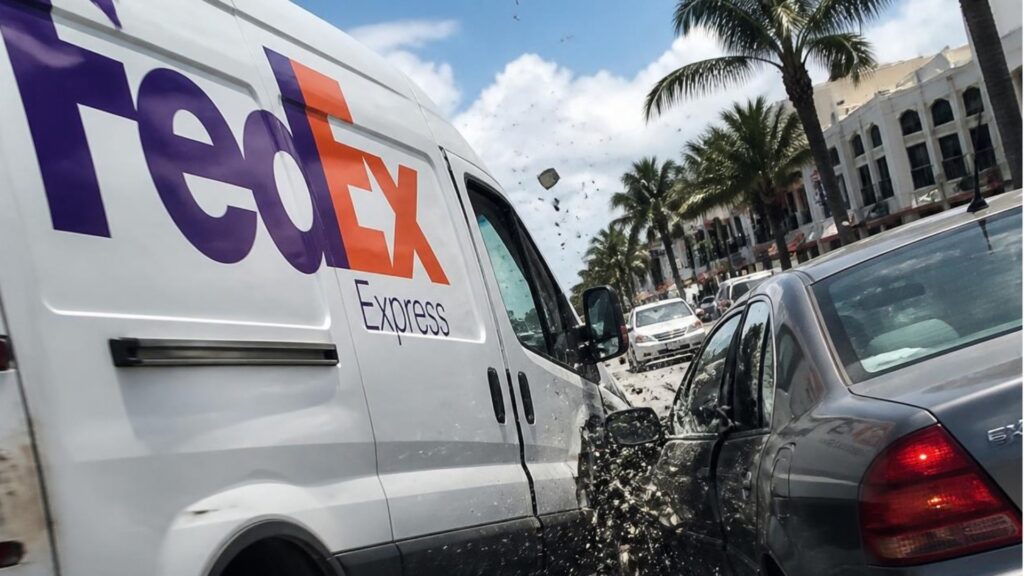
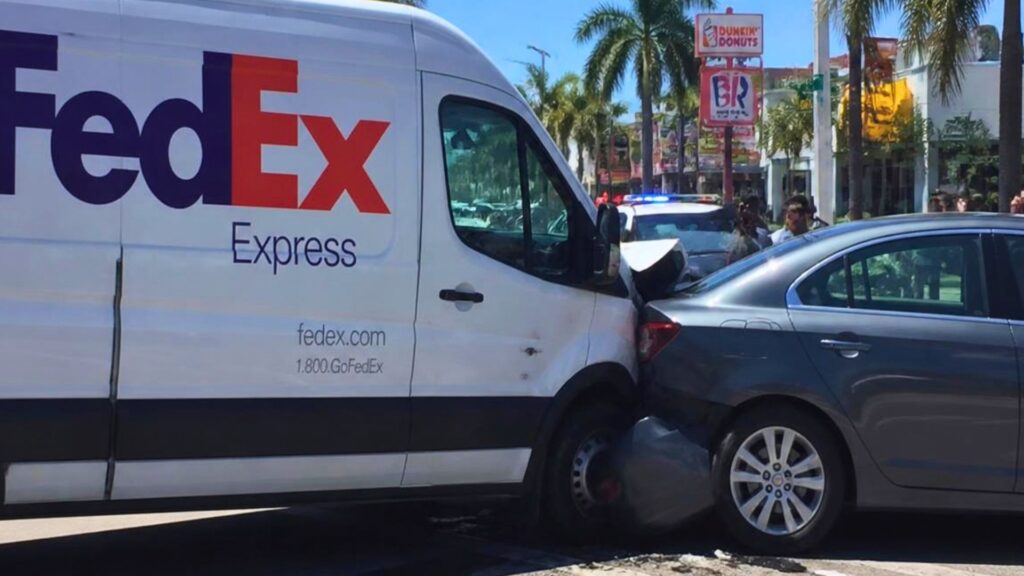
- Navigating traffic around Coral Springs is not a simple thing. You are dodging endless delivery vans, package trucks, and gig-economy drivers rushing to meet impossible digital deadlines. When an overworked delivery driver swerves across lanes or backs out blind into traffic, it’s hard to react. The resulting crash leaves victims facing severe injuries and massive medical expenses.
- Corporate delivery giants design their business models specifically to evade crash responsibility. They call drivers independent contractors and outsource routes to third-party DSP companies. They do this hoping injured victims give up when passed from one adjuster to another. Exposing these corporate shields requires experienced attorneys who know how to subpoena digital telemetry, audit route logs, and compel commercial carriers to answer for your damages.
“Insurance adjusters love relying on the simple myth that left turning drivers are automatically to blame,” says managing partner attorney Alan Reinfeld. “The moment we step in, we pull the black box data, audit the intersection signal timing, and prove where the oncoming driver was actually at fault—whether they were speeding, staring at a phone, or running a late light.“
1. How Do Major Package Delivery Companies Use Independent Subcontractors to Avoid Crash Liability?
Delivery corporations structure fleet operations through independent contracts to insulate parent companies from vehicular negligence claims.
- The Delivery Service Partner (DSP) Network: Amazon and other logistical networks mandate that local delivery vans operate under independent DSP LLCs. This creates a legal buffer between corporate headquarters and individual road accidents.
- The Independent Contractor Classification: Gig-economy courier platforms classify drivers as 1099 contractors, allowing corporate legal teams to claim zero direct employer responsibility for dangerous driving behaviors.
- Mandated Uniforms with Segregated Legal Risk: Corporations require delivery drivers to wear branded uniforms and pilot branded vehicles. Yet they invoke strict contractual indemnity clauses to escape vicarious liability in court.
- Subpoenaing Corporate Operational Control: Our attorneys overcome independent contractor defenses by proving the parent corporation exercises direct, minute-by-minute digital control over driver routes, speeds, and daily package quotas.
2. What Insurance Tiers Apply When a Delivery Vehicle Is On-Route Versus Idling?
Commercial liability coverage fluctuates based on the driver’s active app status and package delivery assignment at the moment of the crash.
- En Route with Packages Loaded: When a commercial fleet van or DSP driver is actively delivering packages, multi-million dollar corporate commercial liability policies activate to cover bodily injury and property damage.
- App Active While Awaiting Dispatch: When a gig courier is logged into a delivery platform but waiting for a route assignment, intermediate commercial coverage tiers apply under state statutory guidelines.
- Personal Driving with App Turned Off: When a courier driver is offline and using a personal vehicle, claims fall back onto personal auto coverage, which frequently attempts to deny claims under commercial use exclusions.
- Offloading and Curbside Hazards: When delivery vehicles park illegally or block traffic lanes along busy Coral Springs thoroughfares to make drop-offs, commercial liability extends to injuries caused by dangerous road obstructions.
3. How Do Our Attorneys Subpoena Digital Route Logs and GPS Data to Prove Driver Fault?
Securing modern fleet crash evidence requires immediate legal intervention before corporate logging systems overwrite crucial digital telemetry.
- Preserving Telemetry and Telematics Data: We issue formal spoliation letters to preserve proprietary van telemetry systems. Things that track exact speed, hard braking events, rapid acceleration, and seatbelt usage seconds before impact.
- Subpoenaing Handheld Scanner Logs: Package scanners record precise timestamps for every package delivery. This allows our attorneys to reconstruct driver speed and establish severe schedule pressure.
- Extracting In-Cab Video Camera Footage: Commercial delivery fleets utilize dual-facing camera systems that capture driver distraction. They catch eye movement, phone usage, and forward collision warnings during the crash sequence.
- Auditing Hours of Service and Quotas: Reviewing digital route logs exposes fatigue violations. We can see where drivers were pushed beyond safe driving hours to meet mandatory package delivery quotas.
4. What Are the Four Most Common Commercial Carrier Errors Along University Drive and Sample Road?
High package volumes and tight delivery windows lead commercial drivers to make reckless tactical errors along South Florida corridors.
- Sudden Stopping and Blind Reversing: Delivery drivers frequently slam on brakes or reverse blindly down busy thoroughfares after missing an entrance to a commercial plaza or residential community.
- Illegal Curbside Parking and Lane Blocking: Blocking active travel lanes, bike paths, and sightlines near high-traffic intersections. They create immediate crash hazards for surrounding drivers and pedestrians.
- Distracted Driving via Navigation Screens: Constantly checking route updates, address numbers, and customer delivery notes on dashboard screens. This diverts the driver attention from active roadway hazards.
- Driver Fatigue from Excessive Shifts: Extended driving shifts combined with tight package quotas degrade reaction times. Many times causing devastating rear-end and side-impact collisions along major intersections.
5. How Do Florida PIP Benefits Apply in Commercial Delivery Van Collisions?
Managing first-party insurance claims following a commercial vehicle collision requires navigating Florida’s statutory PIP structure alongside commercial liability coverage.
- Primary PIP Coverage Activation: Under Florida Statute § 627.736, your initial $10,000 PIP coverage provides primary medical and lost wage benefits regardless of who caused the commercial crash.
- Securing the Emergency Medical Condition (EMC) Designation: To access your full $10,000 PIP limit rather than getting capped at $2,500, remember this. An authorized physician must confirm an Emergency Medical Condition within 14 days of the crash.
- Bridging PIP with Commercial Policy Limits: Commercial delivery accidents frequently cause severe injuries that far exceed $10,000. As a result – our attorneys establish third-party fault early to access corporate commercial liability coverage.
- Recovering Out-of-Pocket Medical Co-Insurance: PIP covers only 80 percent of reasonable medical costs and 60 percent of lost wages. This makes third-party commercial claims essential to recover your remaining 20 percent co-insurance and uncompensated income.
6. How Do Corporate Defense Attorneys Use Comparative Fault to Shift Blame in Delivery Crashes?
Following Florida’s tort reform updates, corporate insurers aggressively manipulate modified comparative fault rules under Florida Statute § 768.81 to avoid liability.
- The 51 Percent Recovery Bar Threshold: Defense adjusters attempt to assign more than 50 percent of the accident fault to you. That would completely cancel your right to financial recovery under state law.
- Weaponizing Sudden Stop Allegations: Corporate legal teams routinely claim that crash victims stopped abruptly or changed lanes unsafely. They use these assertions to shift blame away from speeding delivery drivers.
- Exploiting Pre-Existing Medical Conditions: Insurers subpoena historical medical records to argue that back or neck trauma originated before the collision, minimizing payout amounts for acute crash injuries.
- Countering Comparative Negligence Claims: Our attorneys use black box telemetry data, physical vehicle crush patterns, and accident reconstruction models. With this we can defeat corporate defense strategies and establish clear liability.
Frequently Asked Questions
Q: Can I sue Amazon directly if an Amazon delivery van hits my car?
- A: Suing the parent corporation directly requires proving direct operational control or negligent hiring. Our attorneys file claims against the commercial fleet insurance policies covering the van and the DSP company while pursuing all available corporate liability avenues.
Q: What if the delivery driver was using a personal car for deliveries?
- A: Coverage depends on whether the driver was actively logged into a delivery app or carrying cargo. Commercial delivery policies trigger during active shifts, while personal insurers may attempt to invoke commercial use exclusions.
Q: How quickly must I seek medical attention after a delivery truck crash in Florida?
- A: You must receive a professional medical evaluation within 14 calendar days of the crash under Florida Statute § 627.736 to preserve your $10,000 PIP medical benefits.
Q: What happens if the delivery driver claims someone cut them off?
- A: Corporate insurers frequently try to deflect blame onto third parties. Our attorneys subpoena in-cab video footage, telemetry data, and eyewitness statements to prove driver error and hold the commercial carrier accountable.
Q: How long do I have to file a delivery van injury lawsuit in Florida?
- A: Under current Florida law, you have two years from the date of the collision to file a personal injury lawsuit before your right to seek compensation is barred.
Injured in a Coral Springs Commercial Delivery Van Crash?
If a commercial delivery van, package truck, or gig-economy courier turned your daily drive into a medical crisis, do not let corporate insurance adjusters shuffle your claim around. At Reinfeld Cabrera Tison, our attorneys cut through corporate layers and demand the maximum compensation you deserve.
- Give Us a Call: Dial 954-866-4878 to discuss your case directly with our legal team.
- Reach Out Online: Contact us through our website to schedule a free case evaluation.